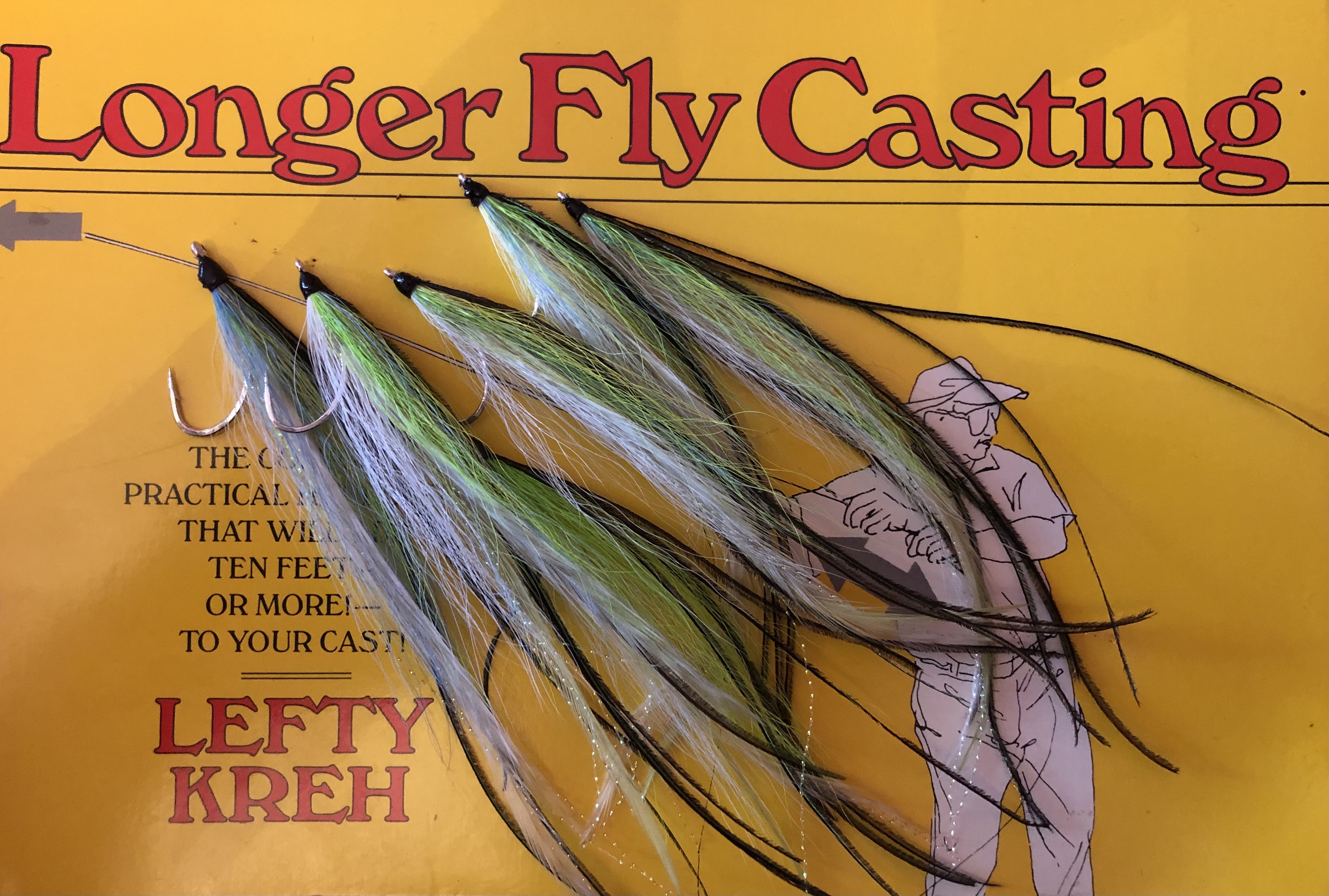
Even though we are in the YouTube era I still like to learn and improve the old fashion way. So I bought a copy of the book Longer Fly Casting by Lefty Kreh.
The ability to fly cast a little further, learn new tips and tricks to improve your technique is always a plus. The book comes with numerous illustrations, and clear and simple explanations. Pick up a copy I think you will enjoy it.
And you can never have too many flies so I purchased a few flatwing flies for the fly box.
I love long walks on the beach. I just needed to be by the water today. It speaks to me and always has something good to say.
Fished out front the wind was from the west and the surf was flat, the water was clear and cold. I casted my two handed fly rod for the first time today. “Love it”
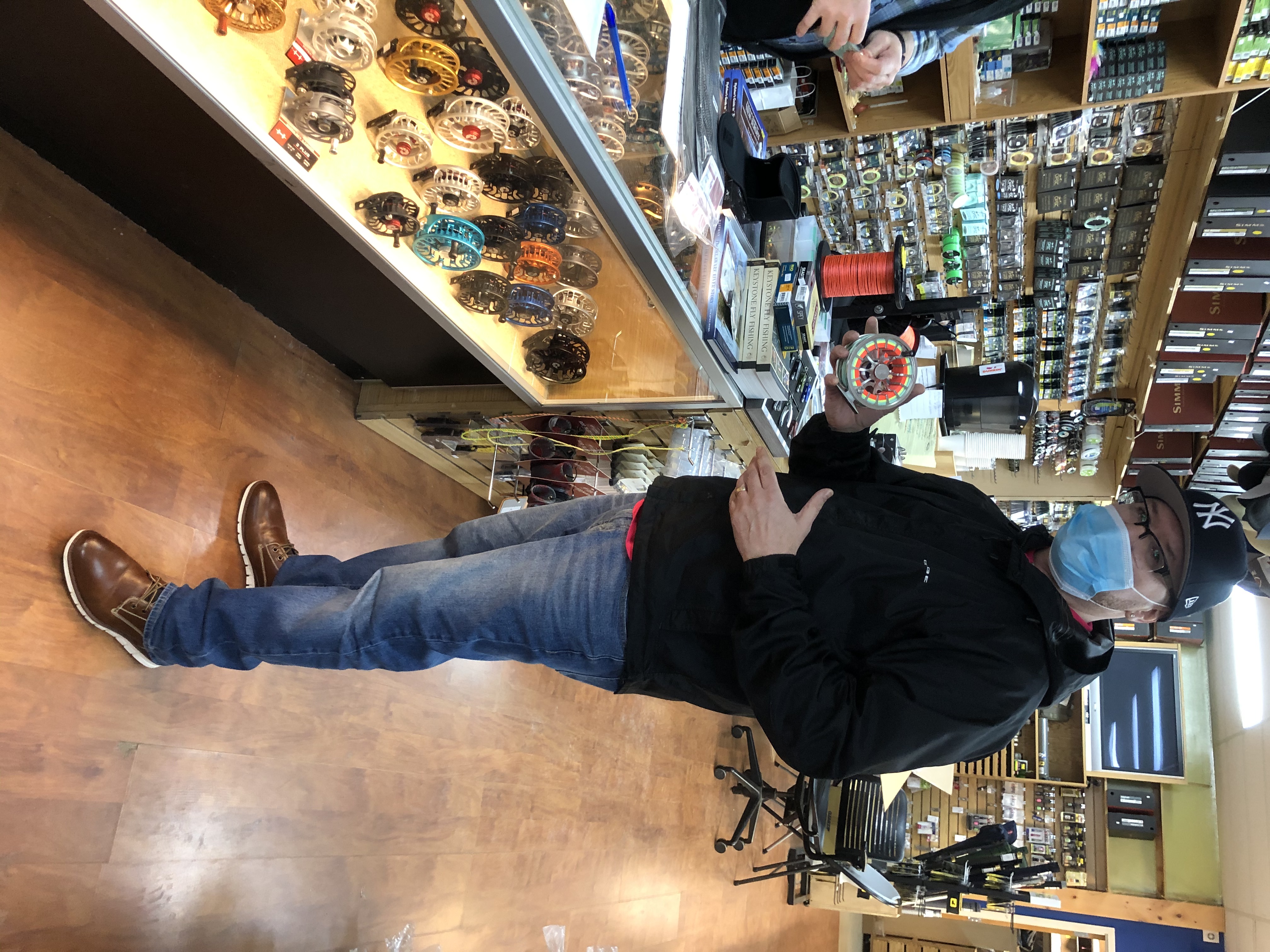
Looking forward to using my new two-handed fly rod this spring. I purchased a CND Atlantis Surf Tamer 11 wt. rod and a Pelican Flight 2.0 XLG reel a few weeks back.
I went to Tight Lines Fly shop and had my reel spooled with 30lb backing and Scientific Anglers Skagit head.
I will add a OPST floating tip to the Skagit head, then attach the Leader, and a beautifully tied fly by the one and only, my wife.
I was doing just fine with the single hand fly rod but after reading an article or two of the benefits of a TH rod I decided to give it a shot. The one advantage that really sold me was the ability to cast large flies with ease.
As soon as it warms up a bit, I’ll head to the waters edge to make a few cast and see what this rod can do.
January can be a tough month for the surfcaster in the Northeast. Cabin fever sets in around the third week in January for me, but there are many ways to stay productive during the offseason and ways to improve your angling skills.
I have put together a list, geared to help you get through the winter.
1: Get in shape! That’s right. Get your butt outside and go for a walk or join a gym. Working out will help build stamina, and you will no longer think twice about taking those long walks to those hotspots. Plus, you will be able to fish longer without feeling fatigued.
2: Make a list of 3 new spots to fish for the up and coming season. Go and visit those spots during low tide and make a note of the structure you find.
Come up with a game plan on how you plan to fish the structure you identified during your scouting trip.
3: Replace those rusty hooks on lures. Try different hook configurations; for example: inline hooks.
Switching from using treble hooks to inline single hooks has become popular this past year. The purpose of single inline hooks is to reduce damage to stripers and to make a catch and release easier.
VMC Inline hooks are a popular choice.
4: Repair your waders; no need to spend that extra cash on a new pair.
Aquaseal makes excellent products to perform repairs.
5: Check the guides on all your rods and make the necessary repairs.
You can find all your rod repair needs at Mudhole.com.
6: Read; two books I recommend are Striper Surf by Frank Daignault and Surfcasters Guide to the Striper Surf by DJ Muller.
Reading a good book or two on surfcasting will accelerate the learning curve and cut it in half; you will learn real and proven techniques and gain wisdom that can take years to acquire on your own.
7: Get yourself a journal; the information you write down will be invaluable.
Fishing trip entries should include the date, location, tide, weather, wind direction, and bait or lure used.
After gathering enough data, you will connect the dots. For example, you’ll figure out which locations produce best during a specific tide and/or wind direction.
Use your time wisely, and before you know it, you’ll be standing waist-deep in the suds, listening to screaming seagulls and making long casts to breaking fish.

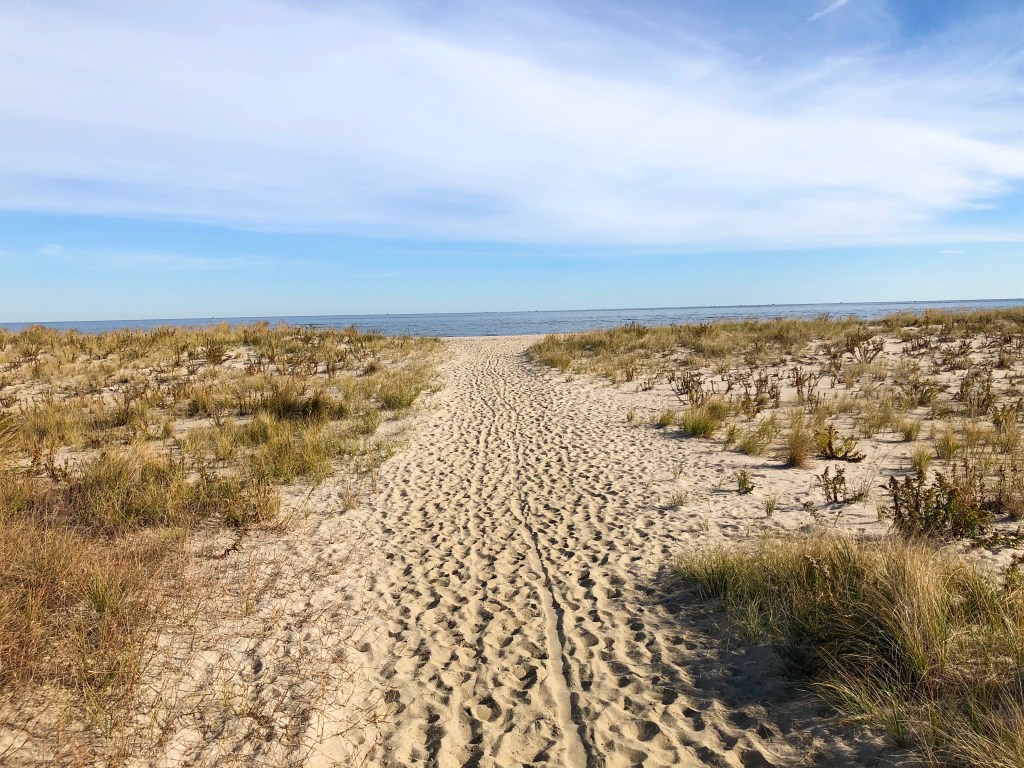

 I just needed to be by the water today. It speaks to me and always has something good to say.
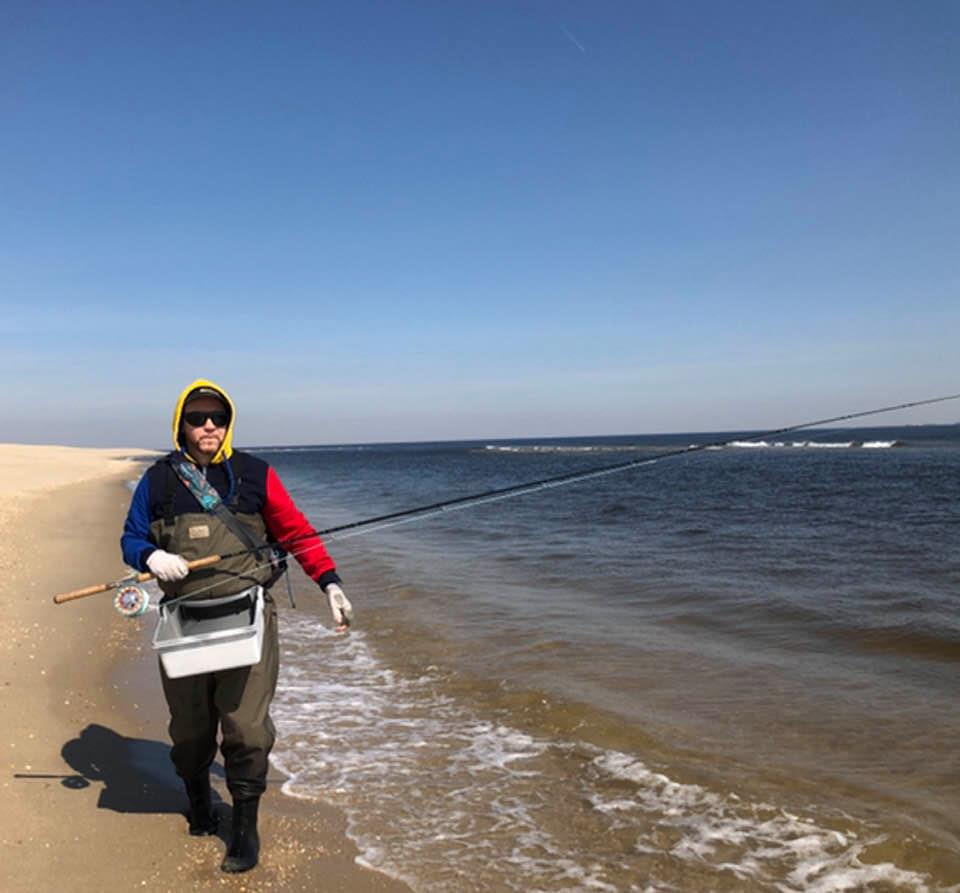


 I Am A Surfcaster